HANUKKAH 2026
RISE UP
Stand firm. Be the light.
Watch live online • Friday & Saturday, December 11–12, 2026
What is Hanukkah?
Hanukkah means dedication. It is also called the Feast of Dedication and the Festival of Lights. It begins on the twenty-fifth day of the ninth biblical month, Kislev, and lasts eight days. Hanukkah is not one of the appointed times commanded in the Torah, yet it is a historic feast of great importance because it commemorates the rededication of the Temple after it was defiled by Antiochus Epiphanes. Yeshua Himself went up to the Temple during this feast and walked in Solomon’s porch (John 10:22-23), a traditional gathering place at Hanukkah.
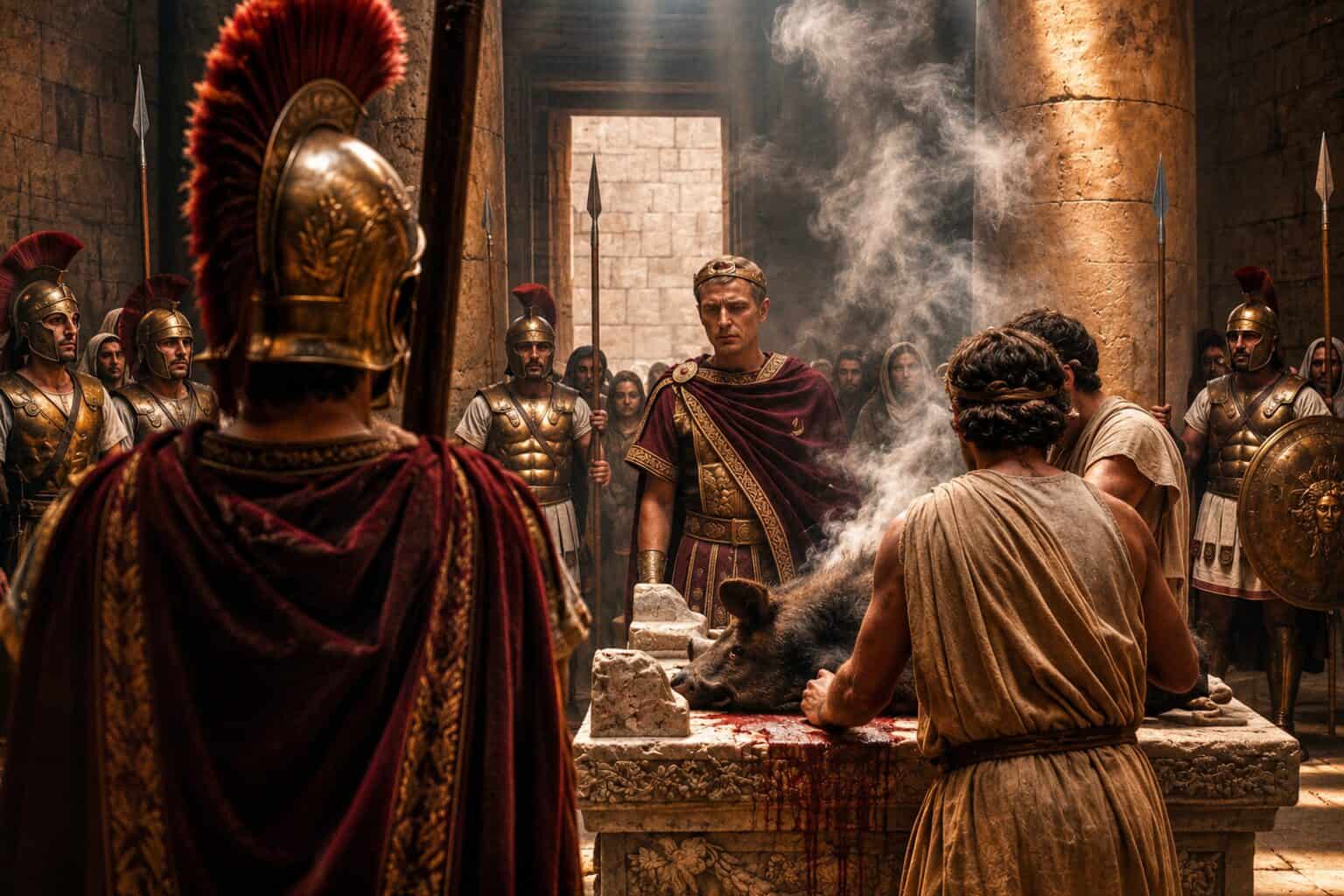
The history of Hanukkah is preserved in the books of the Maccabees, which were included in most Bibles until relatively recently. Antiochus, a Greek king, invaded Jerusalem, outlawed the reading of Torah and the worship of the God of Abraham, and desecrated the Temple with the sacrifice of swine and other unclean animals. He forbade Sabbath observance, feast keeping, and circumcision, and the Temple itself was defiled. In that time, a vastly outnumbered resistance led by Yehudah the Maccabee defeated the occupying power, the Seleucid forces, reclaimed the Temple, and rededicated it for eight days. That rededication became the feast of Hanukkah (1 Maccabees 4:36-59).
Hanukkah is commonly marked with a nine-branched hanukkiah. One candle is lit the first evening, and one more is added each night until all eight lights shine. A later Jewish tradition tells of a miraculous supply of oil, but the historical foundation of the feast is the victory and rededication of the Temple after its desecration.
Scripture
“And it was at Jerusalem the feast of the dedication, and it was winter. And Yeshua walked in the temple in Solomon’s porch. Then came the Jews round about him, and said unto him, How long dost thou make us to doubt? If thou be the Messiah, tell us plainly. Yeshua answered them, I told you, and ye believed not: the works that I do in my Father’s name, they bear witness of me. But ye believe not, because ye are not of my sheep, as I said unto you. My sheep hear my voice, and I know them, and they follow me: And I give unto them eternal life, and they shall never perish, neither shall any man pluck them out of my hand. My Father, which gave them me, is greater than all. And no man is able to pluck them out of my Father’s hand. I and my Father are one.” (John 10:22-30)
Hanukkah and the Messiah
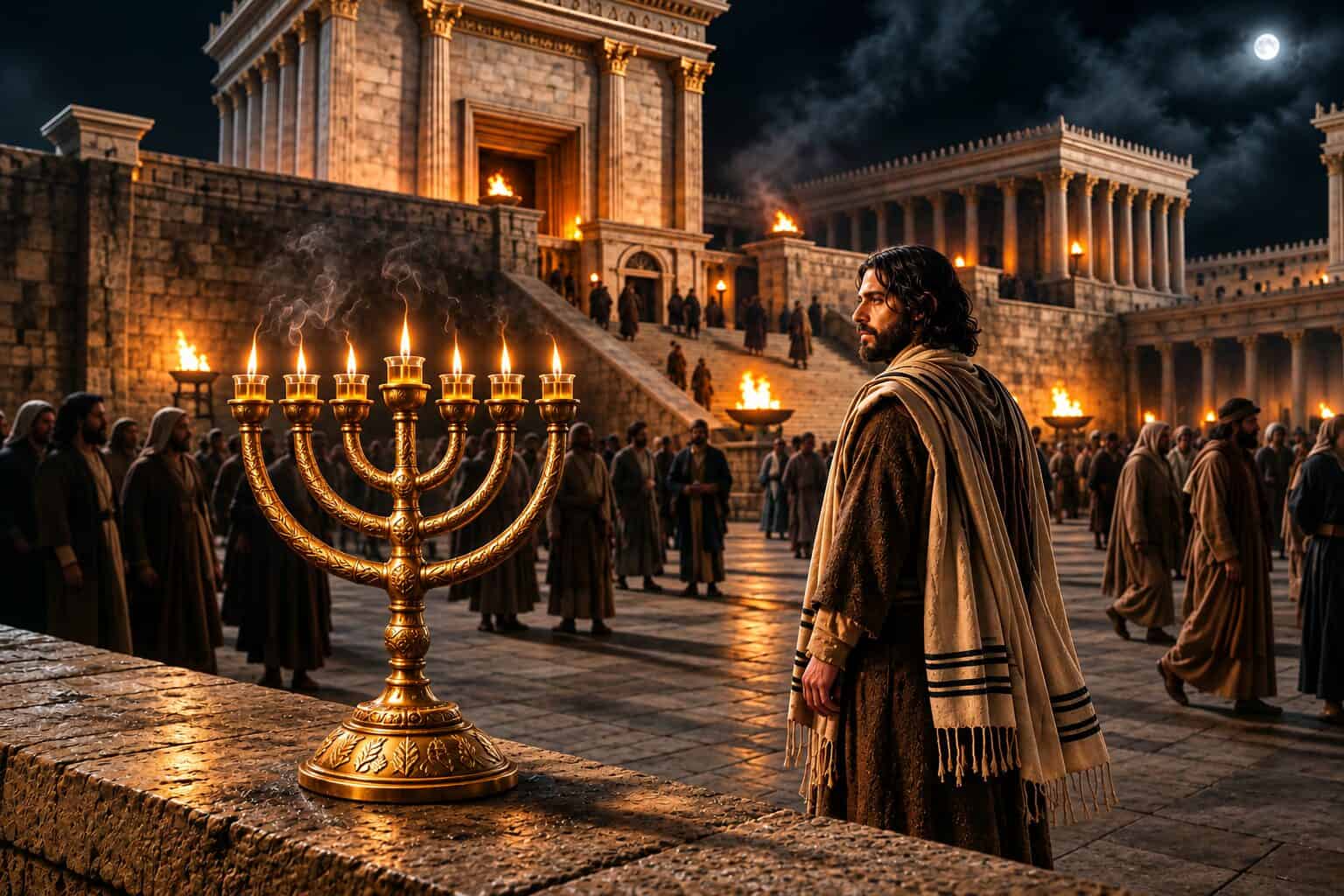
At the Feast of Dedication, Yeshua stood in the Temple itself, in Solomon’s porch, and openly declared who He is. In that setting of rededication, covenant loyalty, and resistance to defilement, He said, “I and my Father are one” (John 10:22-30). Hanukkah therefore points us not only to the cleansing of the Temple, but to the One who is greater than the Temple.
Our ministry’s chronology also places the conception of Yeshua at Hanukkah, with His birth nine months later on the first day of Sukkot. In that pattern, the Light of the World entered the world at the Festival of Lights and was then born at the Feast of Tabernacles, when the Word was made flesh and dwelt among us (John 1:9, 14; 8:12).
Hanukkah also preserves an important prophetic pattern. The desecration of the Temple under Antiochus is the historical pattern of the abomination of desolation spoken of in Daniel. Yeshua later pointed to an abomination still to come, showing that what happened under the Greek oppression was a foreshadowing, not the final fulfillment (Daniel 11:31; Matthew 24:15). Hanukkah reminds us that when the enemy seeks to outlaw the worship of the Almighty, His people must stand firm.
What Does It Mean?
Hanukkah means dedication, and it calls us to rededicate our own lives to the Almighty. Scripture tells us that we are the temple of God and that His Spirit dwells in us (1 Corinthians 3:16). That means Hanukkah is not only about what happened in Jerusalem long ago. It is a yearly reminder to remove what defiles, to cleanse what has been compromised, and to set ourselves apart again for His purposes.
Hanukkah reminds us to stand firm and not yield when the enemy presses in, no matter how powerful he seems. The Almighty is able to preserve a faithful remnant, cleanse His house, and cause His light to increase.
How We Celebrate
We light the hanukkiah each evening for eight nights, adding one candle each night. As a family, read the account of the Maccabees together with John 10 and remember both the rededication of the Temple and Yeshua’s presence at this feast. Hanukkah is not a Sabbath, so normal work continues, but the evenings are set aside for the lights, a meal, and remembering the Almighty’s deliverance. Many families also give small gifts or play games with the children, but the focus should remain on dedication.
Hanukkah and Purim are the two feasts Israel added after the Torah was given, and both remember deliverance. Be sure to visit our Purim page as well, and return to our Feast Dates page to follow the full cycle of the biblical year.
Related Teachings
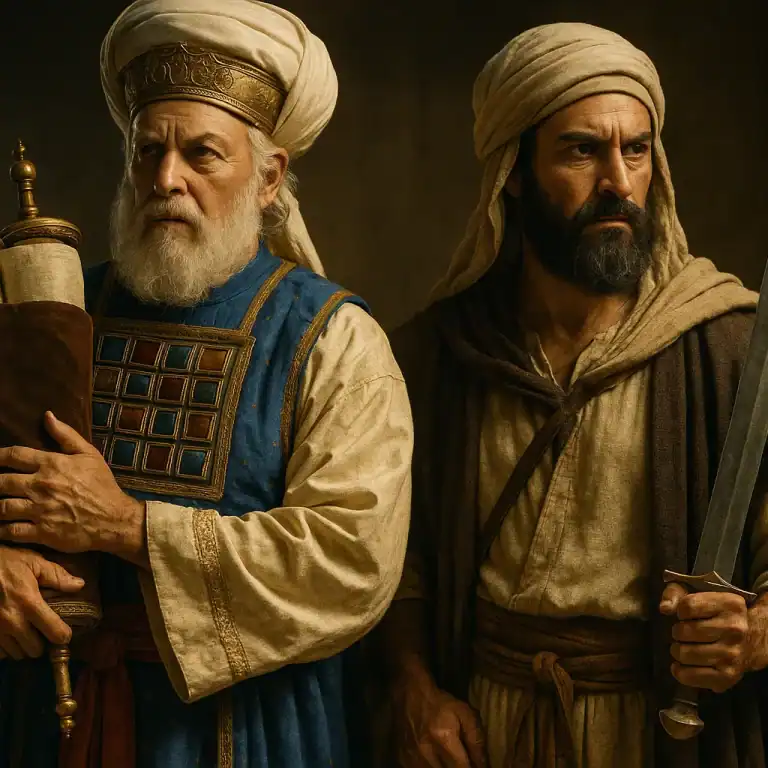
The Maccabean Test: Faith Under Pressure
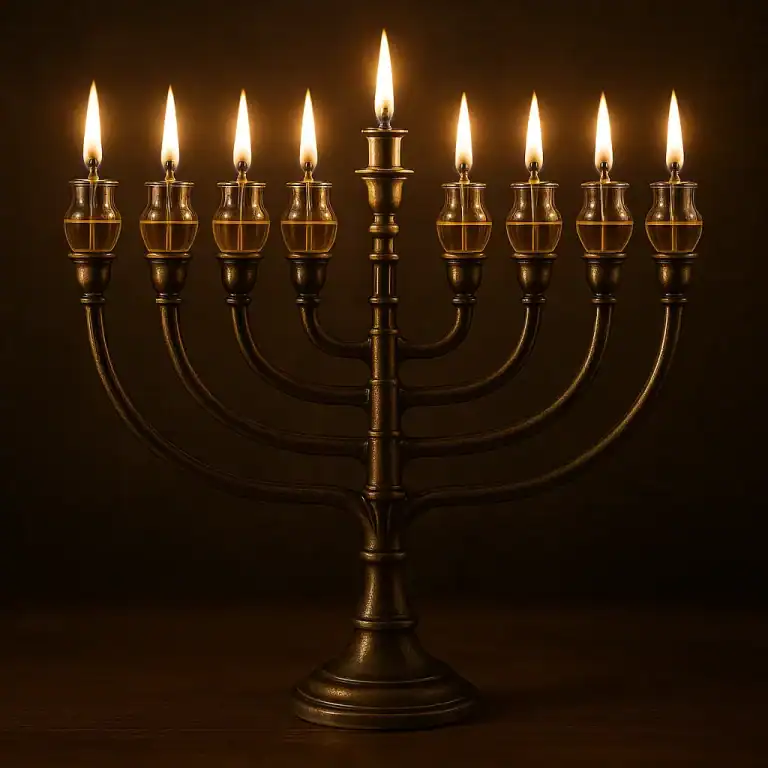
What does Hanukkah Mean for Us
The History of the Apocryphal Books
Hanukkah Double Header
More for the season: Purim • The Maccabees: The Story Behind Hanukkah (ebook) →
Join Our Newsletter
Get your free download of The Greatest Hanukkah Story Never Told – an excerpt from Michael Rood’s acclaimed book, The Chronological Gospels.