
Purim
What Is Purim?
Purim means “lots,” from the pur Haman cast, and it is also called the Feast of Lots. It is kept on the fourteenth day of the twelfth biblical month, Adar, with the thirteenth commonly observed as the Fast of Esther. Purim is not one of the appointed times commanded in the Torah. It was established in the days of the Persian empire by Mordecai and Esther as an annual memorial of the deliverance of the Jews from destruction (Esther 9:20-28).
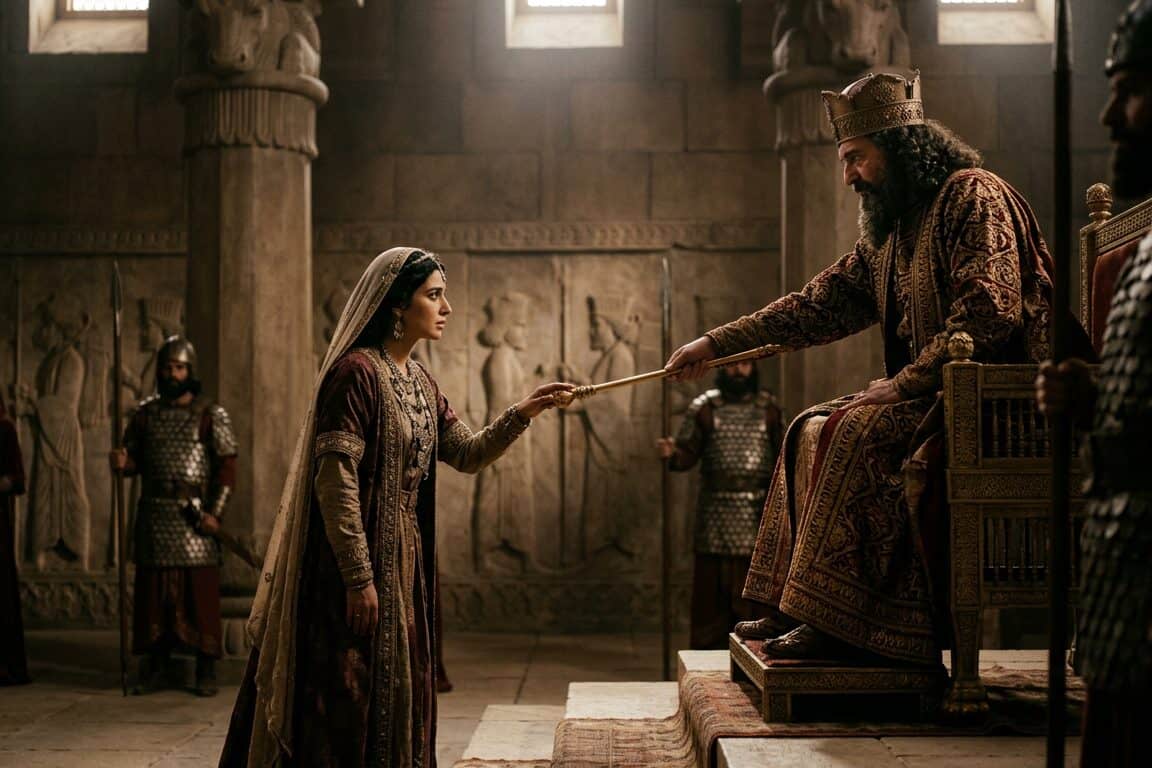
The feast remembers a very specific rescue. Haman the Agagite, an enemy of the Jews, plotted to destroy every Jew in the Persian empire and cast lots to choose the day of their annihilation. Esther, a Jewish orphan raised by her cousin Mordecai, had been made queen. At the risk of her life, she went before the king uninvited. The plot was exposed, Haman was hanged on the gallows he had prepared for Mordecai, and the Jews were granted the right to defend themselves on the very day chosen for their destruction (Esther 3:1-15; 4:13-16; 7:1-10; 8:11-17; 9:1-5).
The name of the Almighty never appears in the book of Esther, yet His hand is on every page. Purim reminds us that even when He seems hidden, He is still ruling over kings, nations, and the preservation of His covenant people.
Scripture
“And Mordecai wrote these things, and sent letters unto all the Jews that were in all the provinces of the king Ahasuerus, both nigh and far,
To stablish this among them, that they should keep the fourteenth day of the month Adar, and the fifteenth day of the same, yearly,
As the days wherein the Jews rested from their enemies, and the month which was turned unto them from sorrow to joy, and from mourning into a good day: that they should make them days of feasting and joy, and of sending portions one to another, and gifts to the poor.
And the Jews undertook to do as they had begun, and as Mordecai had written unto them;
Because Haman the son of Hammedatha, the Agagite, the enemy of all the Jews, had devised against the Jews to destroy them, and had cast Pur, that is, the lot, to consume them, and to destroy them;
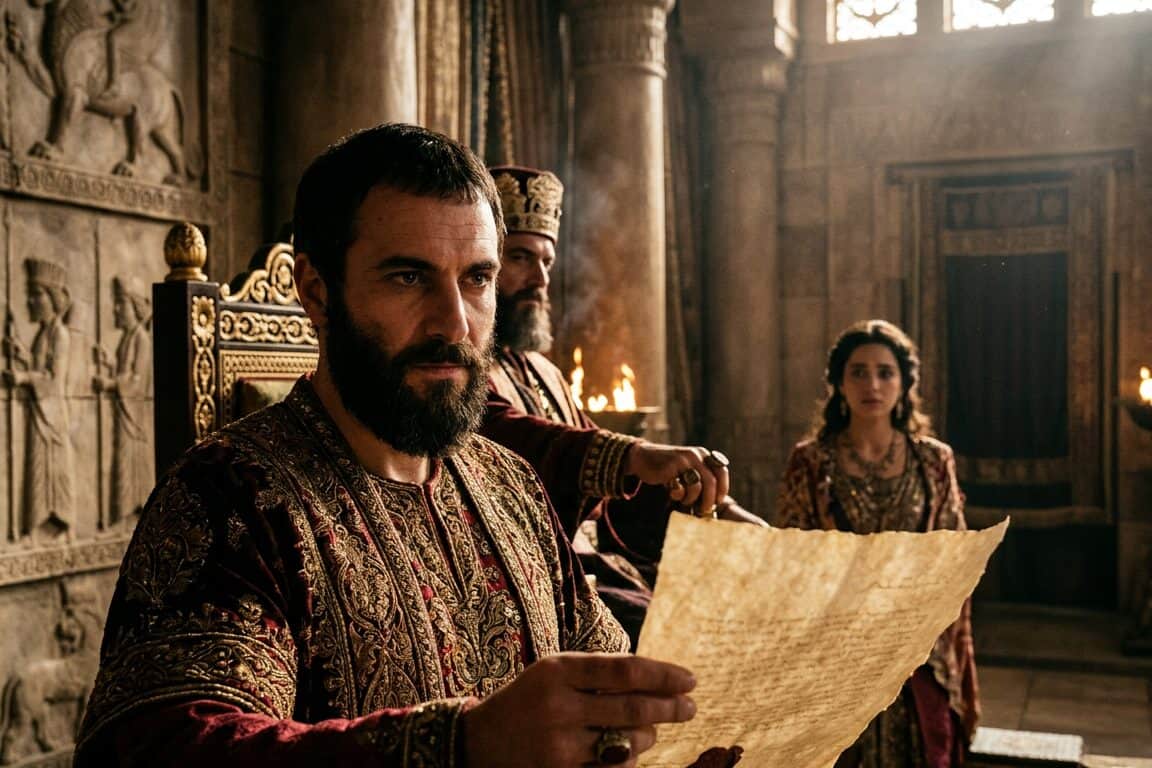
But when Esther came before the king, he commanded by letters that his wicked device, which he devised against the Jews, should return upon his own head, and that he and his sons should be hanged on the gallows.
Wherefore they called these days Purim after the name of Pur. Therefore for all the words of this letter, and of that which they had seen concerning this matter, and which had come unto them,
The Jews ordained, and took upon them, and upon their seed, and upon all such as joined themselves unto them, so as it should not fail, that they would keep these two days according to their writing, and according to their appointed time every year;
And that these days should be remembered and kept throughout every generation, every family, every province, and every city, and that these days of Purim should not fail from among the Jews, nor the memorial of them perish from their seed.” (Esther 9:20-28)
Purim and the Messiah
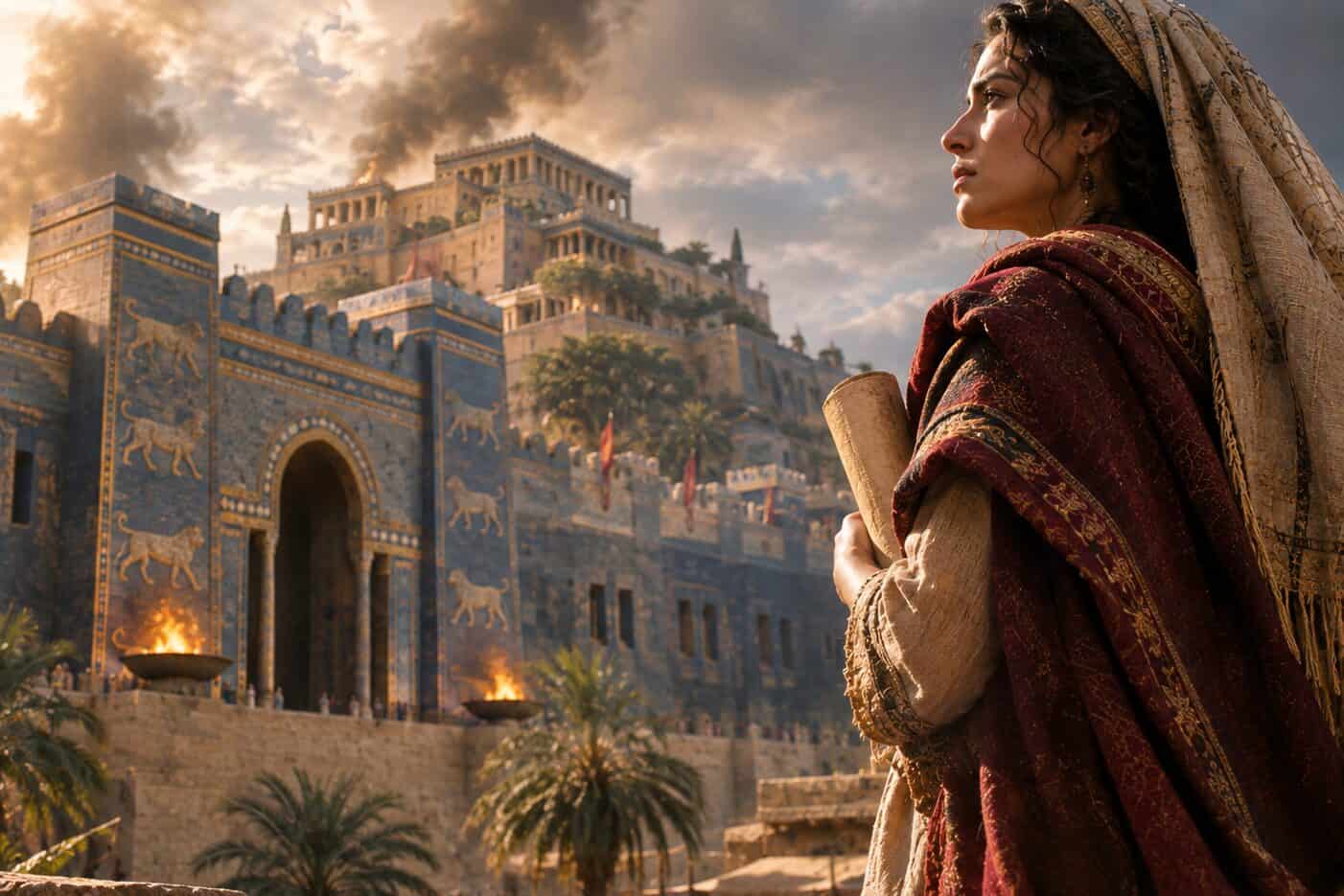
Purim cannot be understood apart from Amalek. The Almighty declared war with Amalek from generation to generation (Exodus 17:14-16). Saul lost his kingdom because he spared Agag when he was commanded to execute judgment on Amalek (1 Samuel 15:1-23). Haman the Agagite is that same enemy rising again in Persia. Purim records the failure of Amalek once more. The enemy returned with the same hatred, and the Almighty overturned the plot again.
Purim also shows a pattern that reaches to the end of the age. Esther’s story is a picture of the bride living under the death sentence of Babylon. Haman stands as the enemy who seeks to destroy those who keep the commandments of God. The decree of death is reversed, and the day appointed for destruction becomes the day of deliverance. This is the pattern of the Almighty’s salvation. His people are preserved, and the enemy’s scheme falls on his own head. The true servants and disciples of Yeshua must recognize that they were born for such a time as this (Esther 4:14).
Esther herself stands as a picture of faithful intercession. For such a time as this, she went before the king on behalf of her people, willing to lay down her own life if necessary (Esther 4:14-16). In that, she points both to the bride who intercedes and to the Messiah, who laid down His life for His people.
What Does It Mean?
Purim means the Almighty keeps His promises to preserve His people even when His name is not spoken and His hand seems hidden. The book of Esther is a witness that covenant faithfulness does not depend on visible miracles. He is still at work behind the scenes, ordering events, exposing the enemy, and preserving the seed.
Purim also calls us to courage. Esther stood when standing could have cost her everything. So must we. At the same time, Purim is marked by joy and generosity. It was established as a day of feasting, gladness, sending portions to one another, and gifts to the poor (Esther 9:22). Deliverance should lead to thanksgiving, shared provision, and care for others.
How We Celebrate
Read the book of Esther aloud as a family or congregation, all the way through. Many families let the children make noise whenever Haman’s name is mentioned. Share a festive meal. Send food to friends and neighbors. Give to the poor. Children often enjoy costumes and simple Purim plays. Some also keep the Fast of Esther on the thirteenth of Adar. Purim is not a Sabbath.
Purim is the last feast of the biblical year, arriving about a month before Passover. From here, look ahead to the Passover page, where the cycle of the Almighty’s appointed times begins again, and back to the Feast Dates page to follow the full biblical year.
Related Teachings

The DNA of Evil: A Prophetic Judgment

Jacob (Ya’akov), the Patriarch Who Transformed History

The Children of Abraham Are Not Exempt from Trials

Circumcision for Abraham, for Joshua, and for Me
More for the season: Hanukkah • Purim: The Vanquishing of Vashti & The Making of A King’s Bride (DVDs) →